Prayer Intention for the Week

September 2 - 8, 2018


That the Holy Spirit may inspire us to think of, speak about and do the things that would glorify God the Father and cause the salvation of souls. Through the same Jesus Christ our Lord and Friend. Amen.

Showing posts with label PSALMinary: On Prayer. Show all posts

Monday, June 3, 2013

ACTS: A for Adoration - Most Important Reason of Prayer

POPE FRANCIS I AND
POPE EMERITUS BENEDICT XVI PRAYING.
Image from thoughtsfromacatholic.wordpress.com
via google.com


Adoration is [i]n the strict sense, an act of religion offered to God in acknowledgement of His supreme perfection and dominion, and of the creature's dependence upon Him; in a looser sense, the reverence shown to any person or object possessing, inherently or by association, a sacred character or a high degree of moral excellence.(1) It is therefore defined also as the first attitude of man acknowledging that he is a creature before his Creator.(2) It is also intended to exalt the greatness of the Lord who made us and the almighty power of the savior who sets us free from evil. Adoration is homage of the spirit to the "King of Glory."(3) It also blends with humility and gives assurance to our supplications.(4)

The First Commandment states that there is but one God and only Him should we adore. This Commandment already sets the limits of true adoration: adoration is due only to God. That is why the prohibition against idolatry is already an integral part of this Commandment - it speaks already of exclusivity. And the prohibition against idolatry comprises every activity, ideology and even mere triviality which divert our full attention from true adoration to God.(5) 

We adore God alone by praying because of our humble acceptance of our being creatures and our sincere submission to His being the Creator. We show our adoration through prayers not merely by words by action and gestures also such as lifting up our hands, kneeling down, bowing down, etc. But we must remember that in order to adore God, we must intend to adore Him and when we use words, gestures and other elements to accompany such adoration, these must also be used with such intention. For God knows what is in the heart of every man and cannot be deceived by mere words and gestures.

Intention - willing - is truly important in adoration for even if one's body may be chained so that one may not offer gestures of worship to God, the mind can still praise God. On the other hand, even if the body is in the midst of worshipers and at the center of the temple, his or her  mind maybe somewhere else: thinking about that movie which he or she wishes to watch after the Church service, or about that sumptuous meal that awaits after the celebration of the Mass; etc.

Hence it is also true that actions and gestures which we usually use to accompany adoration doesn't actually translate to acts of worship especially when used outside of the formal act of adoration. Bowing for example is one of the actions which non-Catholics use to charge Catholics as a manner by which Catholics perform idolatrous acts such as bowing to images of the Blessed Virgin Mary and the Saints. But bowing in itself it generally an act of respect which many people use even in secular settings: the Japanese way of greeting, which is equivalent to handshakes, is by bowing to one another. When a Japanese bows to another, he doesn't mean adoring that person. Catholics too bow down to images not in order to worship them but to honor the Saints represented by the images and ultimately, to honor God who has given those Saints memorialized by the images, the graces and blessings which inspired them to live their lives according to His will.(6) 

Some might say also that Catholics pray to the Blessed Virgin Mary and the Saints when prayer must only be directed to God. Of course all prayers are directed to God but Catholics believe and acknowledge God's great generosity of giving His faithful followers the opportunity to intercede for others.(7)

So when we pray to adore God, we must be totally focused. One doesn't even have to say so much. Holy silence is in fact more acceptable to God than the babble of words - and when we say babble of words it means speaking without putting our personal intentions on the words that we speak but merely speak them in some sort of compliance thinking that when we finish reciting them we have already done our obligation to God. 

Meditation and contemplation are actually wordless prayers of adoration, and one who attains this level of prayer actually attains union with God and experiences the joy of being in His presence. Many Saints have been given the grace of truly and fully enjoying God's presence and we call them mystics. 

To adore God by praying is the best manifestation of the virtue of religion. By adoring God we acknowledge His dominion over us and manifest our humble submission to His will. This also means that we recognize that He knows everything that we say, think or do and we therefore commit to never cause Him any dishonor so we perform our normal activities with more honesty and sincerity for we put them under God's hands.


(3) CCC, 2628
(4) CCC2628
(5) On the First Commandment. You are My Friends. April 21, 2013.
(6) Catholic Encyclopedia. looser sense of adoration.
(7) Jesus is the Only 'Mediator" but God allows Intercessors. You are My Friends, April 26, 2013.




Monday, May 27, 2013

ACTS: The Essential Components of Prayer

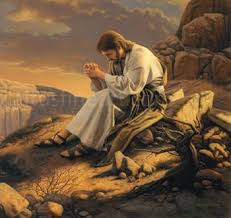
JESUS PRAYING.
Image via google.com
Prayer is our way of communicating with the Father through the Son in the Holy Spirit. When we pray, usually ask something but asking for blessings is just one of the essential elements or components of prayer - it is actually the last in the hierarchy of the elements of prayer. These elements or components of prayer have the acronym ACTS though the C and the T can be exchanged in the actual act of praying.

ACTS stand for Adoration, Contrition, Thanksgiving and Supplication. We have introduced these when we discussed Prayer as the First Pillar of the Holy Friendship. In the next four weeks we shall discuss each one more deeply and somewhat more detailed manner.

Right now, let us review what we have stated about ACTS in our entry of Prayer as the First Pillar of the Holy friendship,

To easily remember these purposes of prayer, we can use the word ACTS to mean A = adoration or praise, C = contrition of being sorry for our sins, T = thanksgiving or gratitude, and S = supplication or asking for grace and blessings. When we pray we also usually do it in that sequence: we first offer our praises to God, then tell Him how sorry are we for the sins, mistakes and wrongdoings that we commit and the good deeds that have omitted, thank Him for the graces and blessings received, and ask for more blessings and graces not only for us but for others also. Contrition and Thanksgiving can be interchanged.

In an article at For Catholic Teens, Jerrome Placido wrote about ACTS in the following words,

That's why the common format for prayer is A.C.T.S. [Adoration, Contrition, Thanksgiving, and Supplication]. We first make and act of adoration, that is acknowledge that it is God who we speak to, who deserves reverence, awe and adoration. Then we make an act of contrition, understanding that no one can remain blameless in His sight and so we recognize before God that we have offended Him and express sorrow for doing so. Thanksgiving is then needed because He gives us so much already and before we can ask for more it is right and just that we thank Him for all He has already given us. Then we pray in supplication, that is, we ask God to supply for us all that we need materially and spiritually and have faith that we are heard and He will give us what is best for us.

So let us learn more about Prayer through the ACTS and while learning let us also actually pray. For it is true that practice makes perfect and the one sure way of learning how to pray is to pray. We may not be able to do it perfectly at once but we must never forget what the Apostle Paul wrote to the Romans, that the Holy Spirit, being our Advocate, will help us express even just through groans what we cannot say in words [see Romans 8:26]


Monday, May 20, 2013

Personal Prayer can Best Express the Circumstances for which It is Offered

PRAYING HANDS.
Image from christianrep.com
via google.com

This may be related to the last one, though the focus of it was more about communal gatherings and occasions. Here we can mention other circumstances which may be more personal. For example, someone who visits a sick friend or a offers a prayer for a loved one who is celebrating an important occasion like a birthday, anniversary, graduation, to which the one offering may not be capable of attending. 

As we have mentioned in that article, we could probably find a lot of ready-made prayers which we can use in order to offer personal prayers for these circumstances. But we also repeat, we have to make these prayers truly personal also, that is, as if it was us who made them and who are truly praying them for the first time. Using them just because we cannot think of anything to say, or just because they seem great prayers, etc would not be that good to hear for God. For as the Apostle Paul wrote, when we cannot say what we really need to say, the Spirit helps us pray with inexpressible groanings [Romans 8:26]. Of course there are prayers which the Vatican has designated as sources of grace by just praying them but still there must be the intention, the heart and sincerity, not merely uttering the words for the sake of uttering and complying.

So personal prayers truly and expresses best the circumstance for which we offer the prayer. What better prayer can substitute the joy that we feel in thanking God for passing a difficult entrance exam to a a very prestigious school, or for having been accepted to a high paying job out of hundreds of applicants, or for being grateful that our beloved grandparent has reached his or her hundredth birthday with the strength and skill of someone in his or her forties? There are surely a lot of things we can pray for personally to which we cannot find exact ready-made prayers for these circumstances are by themselves unique not only because of the occasion but also of the relationships and the feelings and emotions attached to the celebration or circumstance.

Even the Lord Jesus Christ did not exactly direct us to pray the Our Father verbatim or word for word but merely said, when you pray, pray LIKE THIS [see Matthew 6:9]. It is true we Catholics use the Our Father as a common prayer for various reasons and purposes but, once more we emphasize, we should recite the prayer in a personal way, not as an answering machine which repeats only what it has been programmed to recite.

Prayer as we said before is our way of communicating with the Father. The more personal our communication, the better, especially with God. And by the way, with God we need not say a lot of words when we pray to Him from our hearts and personally, we only have to be sincere and persistent.

More blessings through your prayers, dear friends.


Monday, May 13, 2013

Personal Prayer can Best Suit a Gathering or an Occasion

PRAYING AT BIRTHDAY PARTY.
Image from picture-book.com
via google.com
The fourth significance of Personal prayer is that you can use it to perfectly suit the present gathering or occasion. Of course there are various prayers that have been tailor-fitted for us to use for various and diverse occasions and gatherings, with many of them having been composed by some Saints or taken from the Holy Bible.

But these may only have general application and doesn't really exactly fit each and every particular gathering or occasion. For even liturgical prayers, such as the various prayers during the celebration of the Holy Mass have been specially made for diverse celebrations. 

So for gatherings and occasions which do not require official or liturgical prayers, the best prayers are those that are based on the nature, purpose and audience of the gathering or occasion. Applying what Cardinal Arinze mentioned in his talk, though the Hail Mary is a truly revered prayer especially by us Catholics, it might not be perfect if the gathering or occasion involves people who are not comfortable about us mentioning Hail Mary, Mother of God such as a birthday party of a person who is known to be a non-Catholic with many non-Catholic guests and visitors. 

According to the Cardinal,

"There are also occasions when a prayer composed on the spot to suit the people present is to be advised. At the beginning of a meeting attended by Catholics, Episcopalians, Methodists and Muslims, it is not best for the person who leads in prayer to compose a prayer which would be acceptable to all the people present? If a Catholic is to lead in such a prayer, can he/she not see that it is not the place to recite "Our Father and Hail Mary"?

So it is truly best to say a personal prayer. It doesn't mean one has to be perfectly extemporaneous. One may have prepared prayers memorized and ready at hand when needed. But at the moment of delivery or prayer, it must be truly personal, that is, exactly prayed as much as possible in accordance with the gathering or occasion. Example, one may already have formulated and memorized a personal prayer for a birthday celebration. It can be more personal if at the time of prayer, the name of the one celebrating the birthday is mentioned, maybe included also are some particular wishes for him or her especially those about the state of life, current work or profession, etc., and many others. 


Monday, May 6, 2013

Personal Prayer makes our Religion More Genuine and Deeply Rooted

The third importance of personal prayer is its being a way to make our religion, or relationship with God, more genuine and more deeply rooted. Perhaps most of us have already heard this many times, 

"Religion is not important. It is faith and personal relationship with God and the Lord Jesus that counts."

Many of those who say these, sad to know, are Christians - and Catholics - who may have not taken a serious reflection about what they are saying.

Many people equate religion with mere rites, rituals and obligations. They forget that religion includes these and much, much more besides. It may be true that many Christians, particularly Catholics, focus on the mere externals of faith, the rites and the rituals, but not the fundamentals and the more significant parts of religion such as personal relationship with God and our Savior Jesus Christ. But this shortcoming does not take away from religion its essence of being the manner by which we reestablish our relationship with God. That is why it was called religion for etymologically one of its meanings is to bind back, that is, to reestablish our ties with God which have been broken because of sin. Faith in the Lord Jesus Christ is indeed the most fundamental aspect of our religion for without Christ, there would be no Christianity and no Catholic Church. But our complete expression of such faith is not a mere lip service, that is, saying that one believes in the Lord Jesus Christ and has established a personal relationship with Him. When He came into this world, He established a Church, the Church for that matter, meaning a body of people who believe in and follow Him. Christianity is very much a communal religion and not merely having a personal union with God and the Savior.

Now we don't mean to say that these people who say that personal faith and personal relationship with God and the Lord are wrong. Actually that's what we are supposed to discuss here. But what we are saying is that having merely personal relationship with God is not enough for He meant to build the family of God and when we say family we mean more than one, actually everyone else. So we agree with them that having a personal relationship with God and our Savior is truly important. For having such personal relationship, our practice of religion becomes more genuine and deeply rooted. 

Genuine because religion as we said is the binding back of man to God hence it is truly something that must be personally considered for without any personal commitment to such a relationship, our religion would be nothing but a meaningless membership into a corporate body to which we invest some capital at the start of day and which we can sell before the end of the trading at the stock exchange. 

Deeply rooted because we go down to the basics of religion, which is being united again with the God who have made us and whom humanity has rejected but still made initiatives so that we may regain our rightful place within His eternal design: of being His children in the Lord Jesus Christ, our brother, the first born of all creation. Unless we have a personal relationship with God, we shall never understood the purpose of the Savior and the importance of His Church.

How do we make our religion become more genuine and more deeply rooted then? It is by developing our personal prayer life. For it is in this manner that we become more personally acquainted with the Father, the Son and the Holy Spirit. With the Father because we gradually understand more His great love which He manifested first by creating us into His image and likeness [see Genesis 1:27] and then by sending His only begotten Son to save us and lead us away from damnation [see John 3:16] ; with the Son, who have given up His status as divine in order to become man [see Philippians 2: 6-11] in order to lead us from the darkness of sin into His most wonderful light [see 1 Peter 2:9] and called us to become His friends [see John 15: 12-17]; and with the Holy Spirit, who made our bodies His temples [see 1 Corinthians 6:19] and helps us to call upon the Father even through mere groans when we could not find the right words to express what our hearts wish to tell Him [see Romans 8:26].

By developing our personal prayer life, we can make our religion more genuine, or truer, and more deeply rooted, or more firmly anchored. So that the next time someone tells us that personal relationship with God and the Savior really matters, we can respond not only with a YES, THAT'S TRUE with full conviction but with a firmer gratitude for having a real religion


Monday, April 29, 2013

Personal Prayer promotes and improves our Participation in Liturgical and Communal Prayers

CELEBRATION OF THE HOLY MASS.
Image from ewtn.com via google.com

Example of liturgical prayer is the Holy Sacrifice of the Mass and of communal or community prayer is the recital of the Holy Rosary if done with others. But we can only derive the maximum benefit out of these prayers if we make them our own, that is, if we internalize the celebration and truly participate in these spiritual and religious activities. If we will not make these celebrations as our own personal prayers, we'll be just passive audience or part of a crowd. 

By making liturgical celebrations and community spiritual activities as our personal prayer too, we make them real sources of graces and blessings and we express more our being members of the Church and of the Communion of Saints. We become one with the Church and each member of the Church in a personal and deeper way.

The Catechism of the Catholic Church Eucharist states that the Eucharist is the Source and Summit of Christian Life [CCC 1322]. It is a memorial of [the Lord's] death and resurrection, a sacrament of love, a sign of unity, a bond of charity, a Paschal banquet "in which Christ is consumed, the mind is filled with grace and a pledge of future glory is given to us" [1323]. Therefore, our optimum presence and participation during the celebration is necessary for if we do not, it would be like snubbing the Lord Jesus Christ, disrespecting His Real Presence, disregarding His great sacrifice for our salvation, rejecting His love, rejecting the call to unity, and more.

The Holy Rosary on the other hand is a prayer whereby we mediate on the significant events in the life of the Lord Jesus Christ and the blessings which God has endowed upon the Blessed Virgin Mary. By truly and personally meditating on the mysteries of the Holy Rosary we make the important act of learning about the life of the Lord and God's generosity to those who obey His will and so become able to apply these into our own lives. 

These are just examples of liturgical celebrations and community devotions. There are more like the Liturgy of the Hours and the Angelus, the Three O'clock Habit, etc. But what is important is that we participate attentively and be truly present - not letting our minds wander - during the activity for when we pray we are in the special presence of the Holy Trinity. Who and what else could be more important than God? We may not be able to do it during the first few times but as it has been stated before, practice makes perfect. We can only not achieve it if we do not make an effort to start and sustain.

By making these liturgical celebrations and community devotions as our own personal prayers too, we can promote and improve our participation in such activities with the Church and even a smaller community. And we can surely maximize the graces and blessings that God endows through such activities when we give our optimum participation.


Tuesday, April 23, 2013

Personal Prayer develops Our Friendship with the Father

GOD CREATING ADAM.
Image via google.com

"And indeed, what great nation 
has its gods as near as Yahweh our God is to us 
whenever we call to him?" 
- Deuteronomy 4:7


One of the significant distinctions of our religion in comparison with others is God's closeness with us, His people. Since the beginning, God has established friendship with us though we are merely His creatures. Even when our parents disobeyed Him and became slaves to sin, He still kept close watch over them and did not leave them to become like the other creatures who were left on their own to survive. In fact, He even promised a Savior who will redeem mankind from bondage to sin and that Savior is no other than His very own only-begotten Son, who came to become like us in everything, except sin, and has extended His friendship to us if we will only love one another in the manner by which He loved us.

Since God is not physically present among us - for He is pure Spirit first of all - one of the ways by which we can cultivate our personal relationship with Him is through prayer, personal prayer in particular. As we communicate with our loved ones here on earth in order to keep our relationships strong and close even when they're miles away, we also have to start, sustain and strengthen our relationship with the Father, the Son and the Holy Spirit through prayers, our means of communicating with Him. For prayer is simply communicating with God and like our Lord Jesus Christ who communicated with, that is, prayed to, the Father, we also have to do the same.

His plans to endear Himself to us, His people, can be discerned from these passages from the Old Testament:

With regards to our status as Christians, the New Israel, like the Israel of old, we were redeemed from the slavery to sin and He has done wonders especially through the passion, death and resurrection of our Lord Jesus Christ

"And who is like your people, Israel -- the one nation on earth that God went our to redeem as a people for himself, and to make a name for himself and to perform great and awesome wonders by driving out nations and their gods from before your people whom you redeemed from Egypt?" - 2 Samuel 7:23

"And he has raised up for his people a horn, the praise of all his faithful servants, of Israel, the people close to his heart. Praise the LORD." - Psalm 148:14 

"He has done this for no other nation, they do not know his laws. Praise the LORD." - Psalm 147:20

As to His closeness to us which He even emphasized by making our bodies the temples of His Holy Spirit. Being so, we can call upon Him at any time and for whatever purpose. We ought to take advantage of this grace and blessing and

"Seek the LORD while he may be found; call upon him while he is near." - Isaiah 55:6

"The righteous cry out, and the LORD hears them; he delivers them from all their troubles. The LORD is close to the brokenhearted and saves those are crushed in spirit." - Psalm 34: 17-18

"Surely his salvation is near those who fear him; that his glory may dwell in our land." - Psalm 85:9

"The LORD is near to all who call on him, to all who call on him in truth." - Psalm 145:18

In the New Testament on the other hand, the various passages about us being made as children of the Father through His only-begotten Son, our Lord Jesus Christ clearly show us that God really wanted to establish an intimate relationship with us and such friendship with Him should also be developed and sustained through constant prayer to Him. For even here on earth, when we stop communicating with our loved ones, at one point our relationships with them wither and die. 

So we have to always pray even if all that we'd have to do is to groan [see Ephesians 6:18; Romans 8:26]. For even if our mouths could not put into words what our hearts wants to say, God already knows after all what we want to tell Him [see Psalm 38:9; Matthew 6:8]. He just wants us to speak to Him for He cares for us so much and He wants us to be close to Him. That's what friends do: communicate with each other and God wants to befriend us, not make us His slaves for if He only wanted us to become slaves, He wouldn't have sent His only-begotten Son after all [see John 15: 12-17].

This is a great blessing: that we are being considered to be His friends. We have to be grateful for this grace and one of the best way to manifest such gratefulness is to constantly pray to Him, to speak to Him. For through this we shall also know more about Him, about our mission, our calling or vocation. 

Let us be truly prayerful.


Monday, April 15, 2013

Importance of Personal Prayer

JESUS PRAYS TO THE FATHER.
Image from picturesofjesus4you via google.com


Our last discussion under the Pillar of Prayer is about the Three Kinds of Prayer: liturgical, community and personal. Today we shall discuss a bit about the importance of personal prayer. The idea about the five [5] things to consider about how important personal prayer have been taken from the talk delivered by Cardinal Francis Arinze, Prefect of the Congregation for Divine Worship during the 13th Annual Symposium presented by the Holy Trinity Apostolate in Detroit, Michigan, USA on March 6, 2010.

According to the Cardinal, the following important points must be considered with regards to personal prayer:

[1] Personal prayer is important in the promotion of our living relationship with God.

[2] Personal prayer promotes and improves our participation in the liturgical and community prayers.

[3] Personal prayer makes our religion more genuine, more personal and more deeply rooted.

[4] Personal prayer can best suit a gathering and an occasion.

[5] Personal prayer can best express the circumstances for which it is offered.


Now we shall discuss these one by one:

[1] Personal prayer is a great aid in promoting our personal living relationship with God, we may refer to our personal relationships with our fellow human beings as an example of why we also have to develop and promote a personal relationship with God. Our relationships here on earth are based on constant communications. Without constant communications, our human relationships would be put in anger of dying away. We start our friendships through communications and we sustain it through further communications. Through constant communications, we can be united with those we love even if they are thousands of miles away. But with communications, even our next door neighbor would seem to be a distant stranger. So is our relationship with God. We must also develop our personal relationship and friendship with the Lord by communicating always, and this means praying without ceasing as the Apostle Paul wrote to the Thessalonians [1 Thessalonians 5:17]. Just as we communicate with the people we love here on earth in order to start, sustain and strengthen our relationship, we should also have that constant communications with God so that we may be able to develop a personal relationship with Him for our God is a loving God, a Father, a Brother, a Companion and Advocate. He is not ruthless ruler who expects to be feared and obeyed blindly; He is a God who has a heart for us His creatures even making us His children in the Lord Jesus Christ and infusing in us His very own Spirit which urges us to continually call upon Him as Father [see Galatians 4:6; Romans 8:15].

[2] Personal prayer promotes and improves our participation in the liturgical and communal or community prayers by making such prayers our own personal expression of love for God and for others. When we pray liturgical texts and community devotions without making them our own personal prayers, we merely recite and they would mean nothing to us but mere routine obligation perhaps which we ought to comply with and then be dispensed with as soon as possible. Without making considering them as our own personal prayers also, we will never miss doing them but even try to find excuses not to perform them for they would only mean as obligations and not expressions of faith, hope and love. But when we make liturgical and communal prayers as our own personal expression of longing for God and communing with fellow Christians, we advance into a higher level of spirituality, we are able to maximize the graces and blessings that such activities could give, the activities become manifestations of a living celebration of God's love, friendship and presence, it becomes a true communion with God and fellow Christians, and we are able to fully express our faith and hope in and love for God.

[3] Personal prayer makes our religion more genuine, personal and deeply-rooted. By developing a personal prayer life, we make our religion a genuine expression of our relationship with God. We are able to make religion a personal expression of faith making our religion deeply-rooted on its true meaning, being bound back to God, making ourselves one with God once again. We hear many people - even many Catholics - say that religion is unnecessary; what is important is to have faith. But the faith is just part and parcel of religion for religion has a wider sense that faith and it includes faith and the expressions of faith, such as good works, and rites, liturgy, and devotions which are celebrations of our faith, etc. What we do lack most of the time, perhaps in relation to what we mentioned in number 2 above, is the lack of some sort of personalization of our religion. For many, religion is just like any other information written upon a resume without so much regard for its true significance in his or her life. But religion is not just an entry in our curriculum vitae. It is our life with God, it is our expression of faith, hope and love, it is the totality of our relationship with the One who has created, saved, and sanctified us and which we fulfill in union with others who profess, express and live out the same. 

[4] Personal prayer can best suit the gathering or occasion. There are occasions when we find ourselves being requested to say a prayer, whether it's an opening, closing or for whatever purpose. For most of us Catholics, we usually refer to our memorized prayers such as the Our Father, the Hail Mary and the Glory Be. Oh yes! these are beautiful prayers indeed. But when recited just for the sake of reciting, they lose their beauty and significance. During my stay in the first seminary I entered, our rector discouraged us from using these prayers when it is our turn to lead the prayer before and after each class not because he does not want us using them [he might be considered a heretic if that be the case] but because he wants us to really make our personal prayers in order to better express what is in our hearts and not say prayers because it is our obligation to do so. Of course, praying to God is really a matter of obligation too but being on that level alone would not help us start, sustain and strengthen a true friendly relationship with God. Moreover, as the Cardinal mentions in his talk, what if the gathering where you are in and have been invited to say a prayer is composed of people from various religious and cultural  backgrounds, would it be proper to use prayers understood and used only by our Church? Instead of the prayer being a source of blessing, it might even start a misunderstanding.

[5] Lastly, personal prayers can best express what we want to say in accordance with the circumstance for which we offer it. We do not have time to browse through formula prayers when we already want to express our gratitude to, our desire to praise, and when we want to ask something from God. Surely, some saint must have composed a prayer for such and such purpose, but even if these are beautiful and effective, without making them our own at least by proper intention, they would still be mere recitations. There is nothing greater than prayers that come from the heart - even if it is composed by others really - when the desire is also from the heart


In closing, let me share what Cardinal Arinze said in concluding his talk,

"You can see, brothers and sister, that personal prayer is very important in our lives, both to manifest and intensify our life of union with God, and to help us internalize better our participation in liturgical and community prayers and worship."


Monday, March 18, 2013

The Three Kinds of Prayer

Prayer is an essential part of our Christian life and a significant aspect of our friendship with the Lord Jesus. Have you seen this sign printed on shirts and circulated on the Internet?


Image from christianshirts.net 
via google.com

Actually, even just a day without prayer will already weaken the Christian and be an easy target of the deceiver. Even those who consistently pray doesn't get an assurance of being temptation-free. As we have said in a previous entry, prayer is getting connected to our Source. Therefore, unless we consistently connect with God we shall never grow and succeed in Christian virtue and ministry.


Before we go deeper into the importance of prayer, let us first discuss the kinds of prayer. There are three: [1] Liturgical or the Official Prayers of the Church, [2] Community, Communal or Devotional Prayers, and [3] Personal or Individual Prayers. In her book Puddles of Knowing Sr Marlene Halpin, OP, says that these three kinds of prayers are like the legs of a tripod. Without, one the other two would not be able to support the instrument. These three must therefore always go hand in hand. They must be studied, nurtured and practiced together. 

Francis Cardinal Arinze, Prefect of the Congregation for Divine Worship and the Discipline of the Sacraments, during the 13th Annual Lenten Symposium, presented by the Holy Trinity Apostolate in Detroit, Michigan, USA which took place on March 6, 2010, discussed the three kinds of prayer. According to the paper he presented, the three kinds of prayers are:

[1] Liturgical Prayers. The official prayers of the Church such as the Holy Mass, the Liturgy of the Hours, and the Sacramentals or the Prayers and Blessings instituted by the Church for various occasions. They are prescribed and fixed by the Authority of the Church [cf. Sacrosanctum Concilium, nn. 7, 10, 13, 22]

With regards to this kind of Prayers, we shall discuss them more under Liturgy, our fourth pillar of the Holy Friendship. 

[2] Community Prayers. The unofficial prayers of the Church which may also be done by an individual such as the Stations of the Cross, the Holy Rosary, devotions to the Blessed Virgin Mary, particular prayers of religious order, congregations, organizations, faith communities, sodalities, and others. 

[3] Personal prayers. Those done by individuals. These may be inspired by liturgical and community prayers but the peculiar thing about this kind of prayer is its being personal, that is, like a person to person talk with God which may even be conducted through "inexpressible groanings" as the Apostle Paul wrote to the Romans [8:26]

Personal prayer is very important in building up our relationship with the Lord. For to God every person is important, not merely the Church as a whole. As the Lord Jesus said, the Father does not want even one to be lost [see Matthew 18:14]. The Lord Jesus Christ died on the cross for the whole of humanity and for each one of us. 

These three kinds of prayers must always go together for our journey toward the Father's kingdom is also always conducted through three modes: with the entire Church, with smaller communities and personally. We journey with the Church for being a Christian is not merely an individual decision: it involves the community of all believers. As the song states, "no one lives or dies for one's self alone". We also journey with a smaller community, with our family, neighborhood, faith community households, religious organization cells, etc. But we must also have personal commitment for every one is called to follow the Lord.


Monday, March 11, 2013

Prayer, First Pillar of the Holy Friendship

JESUS PRAYING
from google.com

Prayer is an act of the virtue of religion which consist in asking proper gifts or graces from God. Prayers are said for the purpose of praising God, thanking Him for graces and blessings granted, telling Him about our being sorry for our sins, and/or asking Him for graces and blessings needed. 

To easily remember these purposes of prayer, we can use the word ACTS to mean A = adoration or praise, C = contrition or being sorry for our sins, T = thanksgiving or gratitude, and S = supplication or asking for graces and blessings. When we pray we also usually do it in that sequence: we first offer our praises to God, then tell Him how sorry are we for the sins, mistakes and wrongdoings that we commit and the good deeds that we have omitted, thank Him for the graces and blessing received, and ask for more blessings and graces not only for us but for others also. Contrition and thanksgiving can be interchanged.

Prayer is properly directed to God alone. Usually we pray to God the Father but there are times when we pray to the Lord Jesus Christ or to the Holy Spirit. But there really is no problem since they are but different Persons of the Triune God. There are times when we pray to the Sacred Heart, Precious Blood or the Wounds of the Lord Jesus Christ but it is not because we do pray to these body parts but each of them is figuratively taken to be Christ Himself. 

We also pray to the Blessed Virgin Mary and to the Saints. But this is not proper prayer. This is more of a request for prayer to God for even here on earth we ask each other to pray for one another. So we also pray to the Blessed Mother and to the Saints because they are our friends in heaven and will surely help us pray to God. Many people say it is wrong to ask the Blessed Mother and the Saints to pray for us because they are already dead. But Jesus Himself tells us that God is not a God of the death but of the living and reminded us that when God introduced Himself to Moses, He said that He is  - not was - the God of Abraham, of Isaac and of Israel. In God everyone is alive.

Prayer is an important pillar of our friendship with the Lord. He Himself prayed a lot. He prayed to honor and praise the Father, He prayed when He have to do a miracle or a sign, He prayed when He had to cast out demons, He prayed to give thanks, He prayed when happy, sad and agonizing, He prayed before making an important decision, He prayed just to talk to the Father, etc. The Apostle Paul tells us that we should pray without ceasing [see 1 Thessalonians 5:17] and for all purposes and for the brethren [see Ephesians 6:18]

As we mentioned in the introduction, praying is keeping ourselves connected to the Source of our life, our mission, and everything that we have. Without that connection we shall find ourselves unable and incapable of doing things even when we have a lot of instruments or equipment to do something. For prayer is also our testament of dependence on God, our profession of Faith, our declaration of surrender. Prayer is connecting - communicating - with the God who called us to be and to do something. Without keeping the communication lines open, we might fail to listen well to what He wants us to do.

It is also through prayer that we can confirm what the Lord promised His first friends, the Apostles, during the Last Supper: "Whatever you ask the Father in my name He will give to you" [see John 15:16]. But before we can ask the Father for anything in the name of Jesus Christ our Lord we must first bear fruit. Therefore the first thing that we should pray for is for us to be faithful disciples and friends of the Lord obedient to His command to love one another so that we may fulfill the Father's will and so bear fruit that will last!

And then we can pray for whatever we want and the Father will give it in the name of Jesus, our Lord, God and Friend!